
20.10.2026 – 29.03.2027
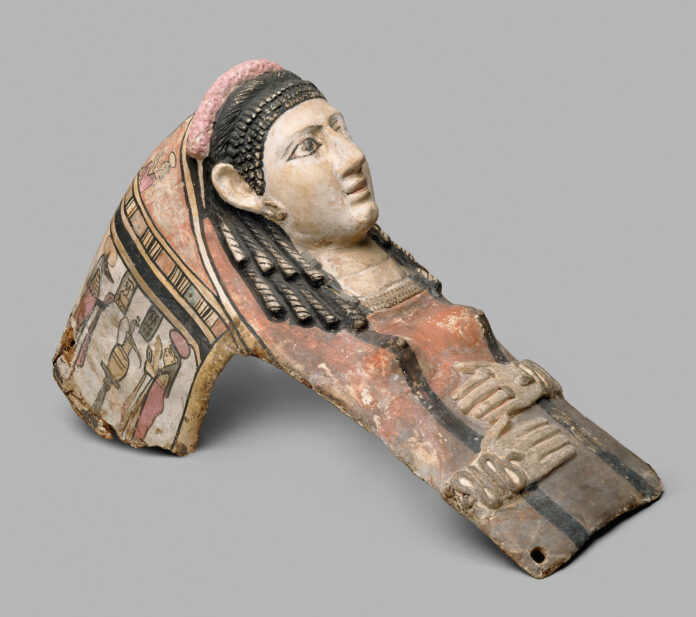
Around 100 years ago, Austrian archaeologists discovered an octagonal burial chamber in Ephesus, containing a well-preserved skeleton. To this day, it remains unclear who was buried in this ‘octagon’. This spectacular find forms the starting point for the major autumn exhibition, which is dedicated to the political and cultural upheavals surrounding the turn of the era (1st century BC–1st century AD) – a historic turning point between the Egyptian, Greek and Roman world orders, during which power, politics and culture were renegotiated between the Orient and the Occident. The setting is the flourishing, vibrant ancient cities of Alexandria, Ephesus and Rome, which, as centres of power and knowledge, played central roles in the world of that time. Fascinating historical figures shaped the course of events: Cleopatra, the last queen of Egypt; her allies – and lovers – Caesar and Mark Antony; and her adversary, Augustus. These global players of their time, Cleopatra’s murdered sister Arsinoë, as well as philosophers, poets, priests and scientists of that era, are portrayed, offering a window into the political intrigues and cultural codes of ‘international’ relations in the ancient world and the staging of power through art, religion and literature.
Ephesus: The Scene of the Crime. Cleopatra and Rome
20.10.2026 – 29.03.2027
Kunsthistorisches Museum Wien
Maria-Theresien-Platz
1010 Vienna
www.khm.at